Source gym strength training battle rope for Gymnasium Park Community
Find and compare 30 listings for gym strength training battle rope from verified Chinese suppliers. Review specifications including rope lengths, materials, and customization options to select the right equipment for home, gymnasium, or park use.
Key considerations
Products List
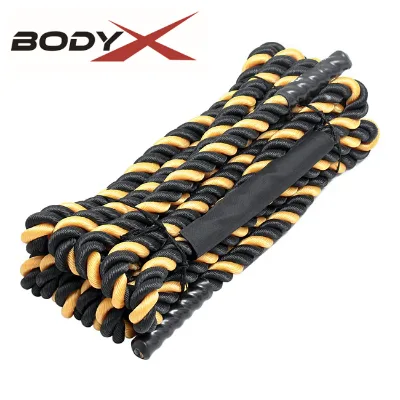


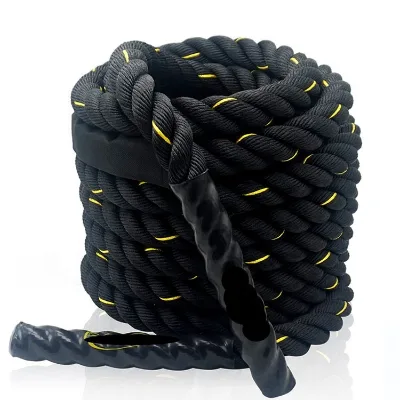
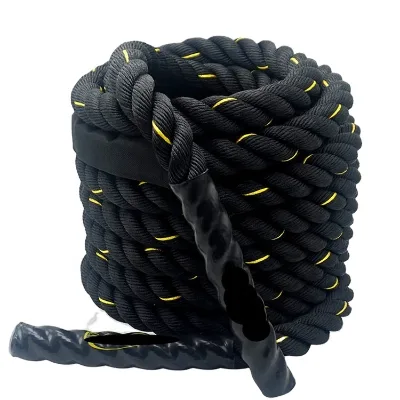


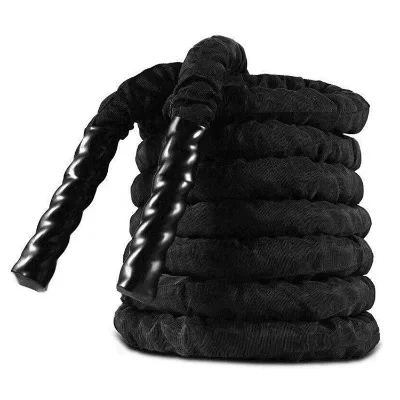
Comprehensive Sourcing Guide
Strategic Sourcing Guide for Gym Strength Training Battle Ropes
Understanding Product Specifications and Material Composition
When sourcing gym strength training battle ropes, the primary objective is to identify equipment that balances durability with the specific resistance requirements of high-intensity interval training. The core material composition is a critical determinant of performance. Based on available market data, battle ropes are frequently constructed from high-tenacity Nylon or Cotton blends. These materials are selected for their ability to withstand the dynamic friction and repetitive impact generated during wave and slam exercises. Buyers must verify the specific weave density and fiber quality, as these factors directly influence the rope's weight distribution and the resulting resistance curve.
The physical dimensions of the rope are equally vital for functional classification. The standard lengths observed in the current market include specific configurations such as 9 meters, 12 meters, and 15 meters. These variations allow facilities to tailor the equipment to different training zones; shorter ropes may be preferred for smaller home gyms or specific agility drills, while longer ropes provide the extended range of motion required for professional athletic conditioning. Additionally, the diameter of the rope is a key specification, with common sizes ranging from 25mm to 50mm. A 25mm rope offers a lighter load suitable for endurance work, whereas a 50mm rope provides significant resistance for power development. The product models identified in the supply chain, such as rope02-015 or rope01-008, often correspond to these specific dimensional standards, serving as unique identifiers for procurement teams to ensure consistency across orders.
Compliance, Certification, and Safety Standards
In the B2B procurement of fitness equipment, verifying compliance with international safety and environmental standards is non-negotiable. For battle ropes intended for commercial use in gymnasiums, parks, and community centers, the presence of recognized certifications is a primary indicator of supplier reliability. The market data indicates that compliant products often carry CE (Conformité Européenne), ISO (International Organization for Standardization), and RoHS (Restriction of Hazardous Substances) certifications. These marks suggest that the manufacturing process adheres to strict guidelines regarding product safety, quality management systems, and the exclusion of hazardous materials.
Buyers should treat these certifications as baseline requirements rather than optional features. The CE mark, for instance, is essential for products entering the European market, confirming that the equipment meets EU safety, health, and environmental protection requirements. Similarly, ISO certification implies that the supplier operates under a standardized quality management framework, which reduces the risk of production inconsistencies. RoHS compliance ensures that the materials used, including the Nylon or Cotton fibers and any binding agents, do not contain restricted hazardous substances. When evaluating potential suppliers, procurement officers must request valid certification documents and verify their authenticity. It is crucial to note that while these certifications are observed in the supply chain, they are not universal to every listed product, and due diligence is required to confirm that a specific batch of ropes meets these standards before finalizing a purchase order.
Cost Drivers and Pricing Dynamics
The pricing structure for battle ropes is influenced by a complex interplay of material costs, manufacturing complexity, and logistical factors. The observed price range in the market spans from approximately 3.1 USD to 56 USD per unit, a significant variance that reflects differences in rope diameter, length, material quality, and branding. The lower end of this spectrum typically corresponds to basic models with standard dimensions and minimal packaging, often targeting budget-conscious buyers or those purchasing in smaller quantities. Conversely, the higher price points are associated with premium specifications, such as thicker diameters, specialized weaving techniques, or the inclusion of custom branding and advanced packaging solutions.
Material costs constitute a substantial portion of the final price. The shift between Nylon and Cotton, or the ratio of synthetic to natural fibers, directly impacts the unit cost. Furthermore, the customization of the product adds a layer of cost variability. Suppliers offering custom logo printing via laser technology or OEM branding services will generally charge a premium over standard off-the-shelf models. The packaging method also plays a role; options such as poly bags, cartons, or woven bags with pallets affect the overall cost due to the additional materials and labor involved. Buyers should be aware that the "Selling Units" are often listed as single items, but the economic reality of B2B transactions usually involves bulk purchasing to mitigate per-unit costs. Understanding these drivers allows procurement teams to negotiate more effectively and allocate budgets according to specific quality and branding requirements.
Supplier Evaluation and Operational Capabilities
Selecting a reliable supplier requires a thorough assessment of their operational capabilities, including production capacity, lead times, and logistical infrastructure. The supply chain for battle ropes is predominantly centered in China, with specific manufacturing hubs identified in regions such as Jiangsu, Hebei Dingzhou, and Rizhao. These locations often specialize in textile and fitness equipment manufacturing, offering a concentrated pool of expertise. However, the diversity of origins suggests that buyers must verify the specific production site for each order to ensure consistency in quality and adherence to local labor and environmental regulations.
Lead time is a critical factor in supply chain planning. The market data indicates a standard delivery window of 30 to 45 days for general orders, with some suppliers capable of shipping within 20 days after receiving the initial payment. This variability underscores the importance of clear communication regarding production schedules. Buyers should establish a realistic timeline that accounts for potential delays in raw material sourcing or production bottlenecks. Additionally, the Minimum Order Quantity (MOQ) is a significant consideration, with observed ranges spanning from 1 set to 1000 sets. While some suppliers offer low MOQs to accommodate small businesses or testing phases, larger orders often benefit from economies of scale. Payment terms are another area of evaluation, with common structures including 100% T/T (Telegraphic Transfer) or a split arrangement of 30% deposit and 70% balance. Understanding these operational parameters helps in mitigating supply chain risks and ensuring timely delivery.
Quality Control and Inspection Protocols
Implementing a robust quality control (QC) protocol is essential to ensure that the delivered battle ropes meet the specified performance and safety criteria. Given the dynamic nature of the product, QC should focus on both material integrity and dimensional accuracy. Buyers should verify that the Nylon or Cotton fibers are free from defects such as fraying, uneven weaving, or weak points that could lead to premature failure during intense training sessions. The diameter and length must strictly adhere to the agreed-upon standards, such as the 25mm, 38mm, or 50mm diameters and the 9m, 12m, or 15m lengths.
Inspection should also cover the finishing touches, including the quality of the rope ends and any custom branding. Laser printing of logos must be durable and resistant to fading or peeling, even under repeated friction. The packaging must be sufficient to protect the product during transit, with options ranging from simple poly bags to robust carton and pallet configurations. For long-term procurement, it is advisable to conduct pre-shipment inspections or engage third-party inspection agencies to verify that the production batch matches the sample approved during the negotiation phase. This proactive approach minimizes the risk of receiving substandard goods and ensures that the equipment is safe for use in commercial environments like gymnasiums, parks, and community centers.
Long-Term Procurement and Application Considerations
The longevity of a battle rope investment depends on its intended application and the maintenance protocols established by the facility. These ropes are designed for a wide range of users, including adults of all genders, and are suitable for various settings from home gyms to large commercial facilities. The "Folded" attribute of the product indicates that the ropes are designed for compact storage, which is a significant advantage for facilities with limited space. However, the durability of the rope is contingent upon proper usage and care. Buyers should consider the warranty terms offered by suppliers, with some providing a one-year warranty that covers manufacturing defects.
When planning for long-term procurement, it is important to consider the scalability of the order. As a facility expands its equipment inventory, maintaining consistency in product specifications is crucial for user experience and safety. The availability of customization options, such as OEM branding and custom logo printing, allows facilities to maintain a cohesive brand identity across their equipment. Furthermore, the shipping methods, which typically include sea freight and air freight, offer flexibility based on urgency and budget. Sea freight is generally more cost-effective for large volumes, while air freight may be necessary for urgent restocking. By aligning procurement strategies with long-term operational goals, buyers can ensure a sustainable supply of high-quality battle ropes that support their fitness programs for years to come.
Comparative Analysis of Product Attributes
To facilitate informed decision-making, the following table summarizes key product attributes observed in the market, highlighting the variations that buyers should consider during the sourcing process.
| Attribute Category | Common Variations | Procurement Consideration |
|---|---|---|
| Material | Nylon / Cotton | Verify fiber blend for durability and weight. |
| Standard Length | 9m, 12m, 15m | Match length to training space and user height. |
| Diameter | 25mm, 38mm, 50mm | Select based on desired resistance level. |
| Certification | CE, ISO, RoHS | Mandatory for commercial safety compliance. |
| Packaging | Poly Bag, Carton, Pallet | Ensure protection during sea freight transit. |
| Lead Time | 20-45 Days | Plan inventory replenishment accordingly. |
| Payment Terms | 100% T/T, 30/70 Split | Align with cash flow and risk management. |
| Origin | Jiangsu, Hebei, Rizhao | Verify specific factory location for quality control. |
This comparative overview underscores the necessity of a detailed specification sheet when placing orders. By carefully evaluating these attributes, buyers can navigate the complexities of the global market and secure battle ropes that meet their specific operational needs.
FAQs
What certifications do gym strength training battle ropes typically have?
Compliant products often carry CE, ISO, and RoHS certifications. These marks indicate adherence to safety, quality management, and environmental standards, which are essential for commercial use in gymnasiums and community centers.
Which material blends are used for gym strength training battle ropes?
Battle ropes are frequently constructed from high-tenacity Nylon or Cotton blends. These materials are selected for their ability to withstand dynamic friction and repetitive impact generated during wave and slam exercises.
How long is the lead time for gym strength training battle ropes?
The standard delivery window is 30 to 45 days for general orders. Some suppliers can ship within 20 days after receiving the initial payment, depending on production capacity and order volume.
Can I get custom logos on gym strength training battle ropes?
Customized logo printing via laser technology or OEM branding is available. This service allows facilities to maintain a cohesive brand identity, though it may add a premium to the unit cost compared to standard models.
What are the standard dimensions for gym strength training battle ropes?
Standard lengths include 9 meters, 12 meters, and 15 meters. Common diameters range from 25mm to 50mm, allowing buyers to select resistance levels suitable for endurance work or power development.
Which payment terms are common for gym strength training battle ropes?
Common structures include 100% T/T or a split arrangement of 30% deposit and 70% balance. Buyers should align these terms with their cash flow and risk management strategies before finalizing orders.
What is the minimum order quantity for gym strength training battle ropes?
Observed MOQ ranges from 1 set to 1000 sets depending on the supplier. While some vendors offer low MOQs for testing, larger orders often benefit from economies of scale and better per-unit pricing.
Where are gym strength training battle ropes typically manufactured?
Manufacturing hubs are identified in regions such as Jiangsu, Hebei Dingzhou, and Rizhao in China. Buyers must verify the specific production site for each order to ensure consistency in quality and adherence to regulations.